
Self-Sufficiency Through Growing Your Own Food
Growing your own food is one of the most direct and empowering ways to reclaim independence in an increasingly fragile world. At its core, self-sufficiency is not about perfection or isolation. It is about reducing vulnerability and increasing your ability to meet basic needs regardless of outside disruptions.
Growing your own food, even in small amounts, builds a foundation of resilience that no modern convenience can replace. In a time when food systems rely on centralized production, long-distance transportation, and constant inputs of fuel and chemicals, growing your own food shifts power back into the hands of individuals and families. It is a practical skill, a form of security, and a long-term investment in both health and stability.
What Self-Sufficiency Really Means
Self-sufficiency is often misunderstood as an all-or-nothing lifestyle. In reality, it exists on a spectrum. You do not need to get all your calories from one source to benefit. Growing your own food means reducing your dependence on systems outside your control.
Every tomato harvested, every herb clipped, and every potato dug from the soil represents fewer dollars spent and fewer risks taken. Even partial food production strengthens your position in a system increasingly prone to disruption.
Why Growing Your Own Food Builds Resilience
Modern food systems are efficient but brittle. They function well under ideal conditions but are highly sensitive to stress. Weather extremes, supply chain delays, labor shortages, fuel price spikes, and policy shifts can all affect what shows up on store shelves.
Growing your own food acts as a buffer. It creates redundancy. When one system falters, another still functions. A backyard garden, raised bed, or container setup may not replace the grocery store entirely, but it provides stability when prices rise or availability drops.
Growing your own food also shortens the distance between production and consumption. This reduces reliance on refrigeration, transport, and packaging, all of which are vulnerable points in the modern system.
Food Security Starts at Home
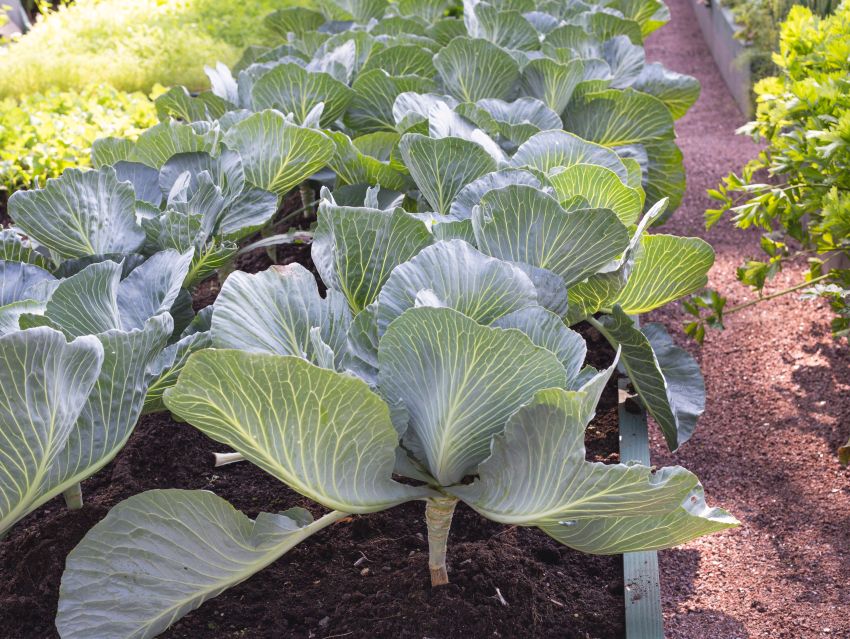
Food security is often discussed at a national or global level, but it begins at home. When households grow food, they create small but meaningful pockets of security within their communities.
Leafy greens, herbs, root crops, and perennial plants can provide reliable yields with minimal space. These foods offer dense nutrition, long storage potential, or continuous harvests. Over time, growing your own food becomes less about novelty and more about consistency.
Skills develop alongside the harvest. Soil building, seed saving, seasonal planning, and pest management all compound year after year. Market fluctuations or supply shortages cannot disrupt this knowledge.
You Do Not Need Land to Start Growing Your Own Food
One of the most significant barriers to entry is the belief that growing food requires a lot of acreage. It does not. Containers, raised beds, balconies, patios, and windowsills are all valid starting points.
Many people begin with herbs and greens because they grow quickly and deliver immediate results. Others focus on calorie crops such as potatoes, sweet potatoes, or squash grown in grow bags or beds. Growing your own food adapts to your space, not the other way around.
What matters most is consistency, not scale. Small systems that are cared for regularly often outperform larger ones that are neglected.
Nutritional Quality and Control
Growing your own food gives you control over how it is grown, harvested, and handled. You choose the soil inputs, the water source, and whether to use chemicals. This often results in fresher, more nutrient-dense food that is better suited to your body.
Commercial produce is frequently harvested early to survive transport and storage. Homegrown food is harvested at peak ripeness, when flavor and nutrient content are highest. Over time, many people find that growing their own food improves not only the quality of their diet but also their relationship with food.
Skill-Building as a Form of Wealth
Self-sufficiency is built on skills, not products. Growing your own food teaches observation, patience, problem-solving, and adaptation. These skills transfer to other areas of life and increase confidence in your ability to meet challenges.
Knowledge of how to grow food, preserve it, and improve soil is a form of stored value. Unlike money, it cannot be inflated away. Unlike technology, it does not require constant upgrades. Once learned, it can be shared, taught, and passed down.
Growing Your Own Food Strengthens Communities
Self-sufficiency does not mean doing everything alone. In practice, growing your own food often strengthens community ties. Seeds are shared. Harvests are traded. Knowledge is exchanged.
When more people grow food, local resilience increases. Neighborhoods become less dependent on distant systems and more capable of supporting one another during times of stress.
A Practical Step Toward Long-Term Stability
Growing your own food is not a trend or a hobby reserved for ideal conditions. It is a practical response to uncertainty. It builds resilience slowly but reliably, one season at a time.
Whether you start with a single herb pot or a whole garden bed, growing your own food shifts your role from passive consumer to active participant in your own survival and well-being. That shift, more than any harvest, is the proper foundation of self-sufficiency.
Want to learn more?
Click here to learn more about growing food.
